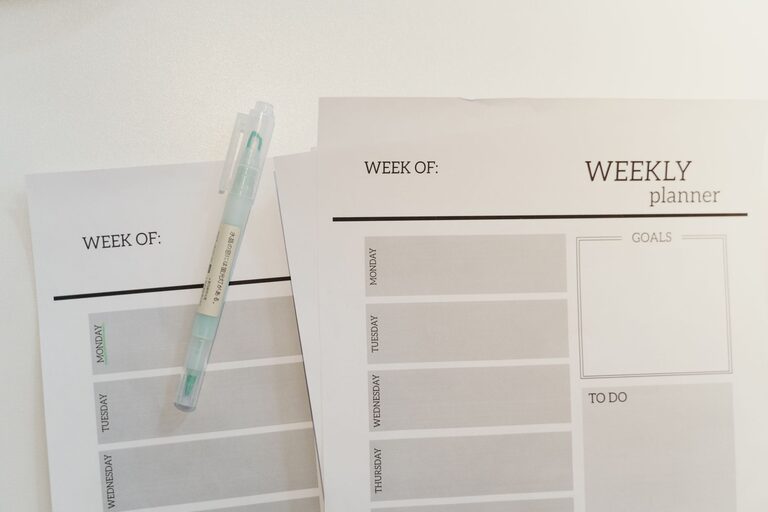

Choosing the right notebook can make a big difference in how often you use it and how productive you feel. Whether you want a place to jot down ideas, plan your day, or keep a journal, the perfect notebook is out there—but it takes a bit of thought to find it. In this guide, we’ll explore key factors to consider when picking a notebook you’ll actually enjoy using every day.
Why Choosing the Right Notebook Matters
Not all notebooks are created equal. Some are too bulky, others have pages that bleed through easily, or a cover that doesn’t hold up to daily wear. When you choose a notebook that matches your needs and preferences, you’re more likely to open it regularly and make the most out of it. It becomes a tool for creativity, organization, and reflection—not just an unused item on your shelf.
Step 1: Identify Your Purpose
Before buying a notebook, think about what you want to use it for. Different uses call for different styles.
– Journaling or diary: You might want a notebook with a soft cover and lined pages for easy writing.
– Sketching or drawing: Look for a notebook with thicker, unlined or lightly dotted pages.
– Planning and to-do lists: A notebook with sections or grids can help keep things neat.
– Note-taking or studying: Durable binding and standard-size pages can be helpful.
– Bullet journaling: This needs dot-grid pages and good paper quality for pens.
Writing down your main use will help narrow choices and avoid impulse buys that don’t fit your needs.
Step 2: Consider Size and Portability
How you plan to carry and use your notebook will affect the size you want.
– Pocket-size (A6 or smaller): Great for quick notes on the go but limited space.
– Medium size (A5): Popular choice—portable and roomy enough for daily use.
– Large size (A4 or letter): Good for detailed notes and sketches but less portable.
Think about where you’ll keep your notebook: in a purse, backpack, or on your desk. Choose a size that fits comfortably in your routine.
Step 3: Pick the Right Paper Type and Quality
Paper quality affects how enjoyable it is to write in a notebook.
– Weight: Heavier paper (around 80–100 gsm) prevents ink from bleeding and feathering.
– Texture: Smooth paper is easier for fast writing; rougher paper gives more grip.
– Color: White paper is standard, but cream-colored paper is easier on the eyes.
If you like using markers, fountain pens, or calligraphy tools, look for notebooks with high-quality paper designed for those. Otherwise, standard lined or dotted pages usually work well.
Step 4: Choose the Binding Style
The way a notebook is bound impacts durability and ease of use.
– Spiral-bound: Allows the notebook to lay flat or fold back on itself—great for writing on the move.
– Perfect-bound (glued spine): More traditional and sleek but may not open flat.
– Sewn binding: Durable and often allows the notebook to open flat.
– Hardcover vs. softcover: Hardcovers protect your notebook but add weight; softcovers are lightweight and flexible.
Think about how you write and where. If you often write without a desk, a spiral-bound or sewn notebook that lies flat might be best.
Step 5: Decide on Page Layout
Page layouts affect how you organize your notes.
– Lined: Best for writing text.
– Blank: Ideal for sketches or freeform notes.
– Dotted: Offers subtle guides—popular with bullet journalers.
– Grid: Useful for charts, tables, or precise drawings.
Some notebooks combine layouts or include special pages like calendars or to-do lists.
Step 6: Evaluate the Cover and Design
The appearance and feel of your notebook can motivate you to use it.
– Material: Choose from leather, faux leather, fabric, cardboard, or plastic covers.
– Design: Solid colors are classic; patterns or inspirational quotes add personality.
– Durability: If you carry your notebook everywhere, a sturdy cover is helpful.
Pick a design that makes you happy each time you see it. This emotional connection encourages consistent use.
Step 7: Set a Budget
Notebooks come in a wide price range, from a dollar store basic to luxury brands.
– Decide how much you are willing to spend.
– Remember that a quality notebook is an investment in your creativity and productivity.
– Sometimes spending a bit more on paper quality or binding can mean better long-term use.
Step 8: Test Before Buying (If Possible)
If you can, visit a store and feel the notebooks in person.
– Flip through pages, test how it writes with your favorite pen.
– Check the weight and size in your hands.
– See how the cover feels.
This hands-on approach helps avoid surprises and ensures you get a notebook you’ll love.
Additional Tips for Keeping Your Notebook Useful
– Personalize it: Add tabs, stickers, or bookmarks for easy navigation.
– Set a regular time to use it: Build a habit to keep it active.
– Don’t be afraid to switch: If a notebook isn’t working, try another one without guilt.
Conclusion
Choosing a notebook you’ll actually use comes down to understanding your needs, preferences, and habits. By considering purpose, size, paper quality, binding, layout, design, and budget, you can find a notebook that feels just right. Once you have the perfect notebook, it’s easier to stay organized, inspired, and productive every day.
Happy writing!